
How to Choose the Right Flooring for Your Home
Choosing the right flooring for your home influences comfort, durability, and overall visual appeal. Materials underfoot support daily activity, connect design elements, and contribute to long-term property value. With many options available, homeowners benefit from understanding how different products perform across rooms, lifestyles, and budgets. Each area of a home presents unique demands, from moisture exposure to foot traffic and maintenance expectations. Making a well-informed flooring decision helps create a space that feels both welcoming and practical for years to come.
Thoughtful planning ensures the selected flooring aligns with how the space is used today while remaining adaptable for future needs. A family room, kitchen, or bedroom may each require different characteristics to perform well over time. Evaluating materials, finishes, and installation considerations helps reduce costly replacements and dissatisfaction later. Reliable suppliers that offer quality materials and product guidance simplify the decision-making process. Taking time to assess your specific needs will ultimately lead to greater satisfaction with your flooring choice.
Practical factors to consider when selecting flooring include performance, appearance, maintenance, and sustainability. The information also highlights materials commonly supplied by building material providers that support residential construction and renovation projects. By reviewing these considerations, homeowners can make confident choices that enhance livability and long-term value. Knowledge and preparation are key to achieving a flooring solution that complements your lifestyle and home design.
Evaluate Material Options
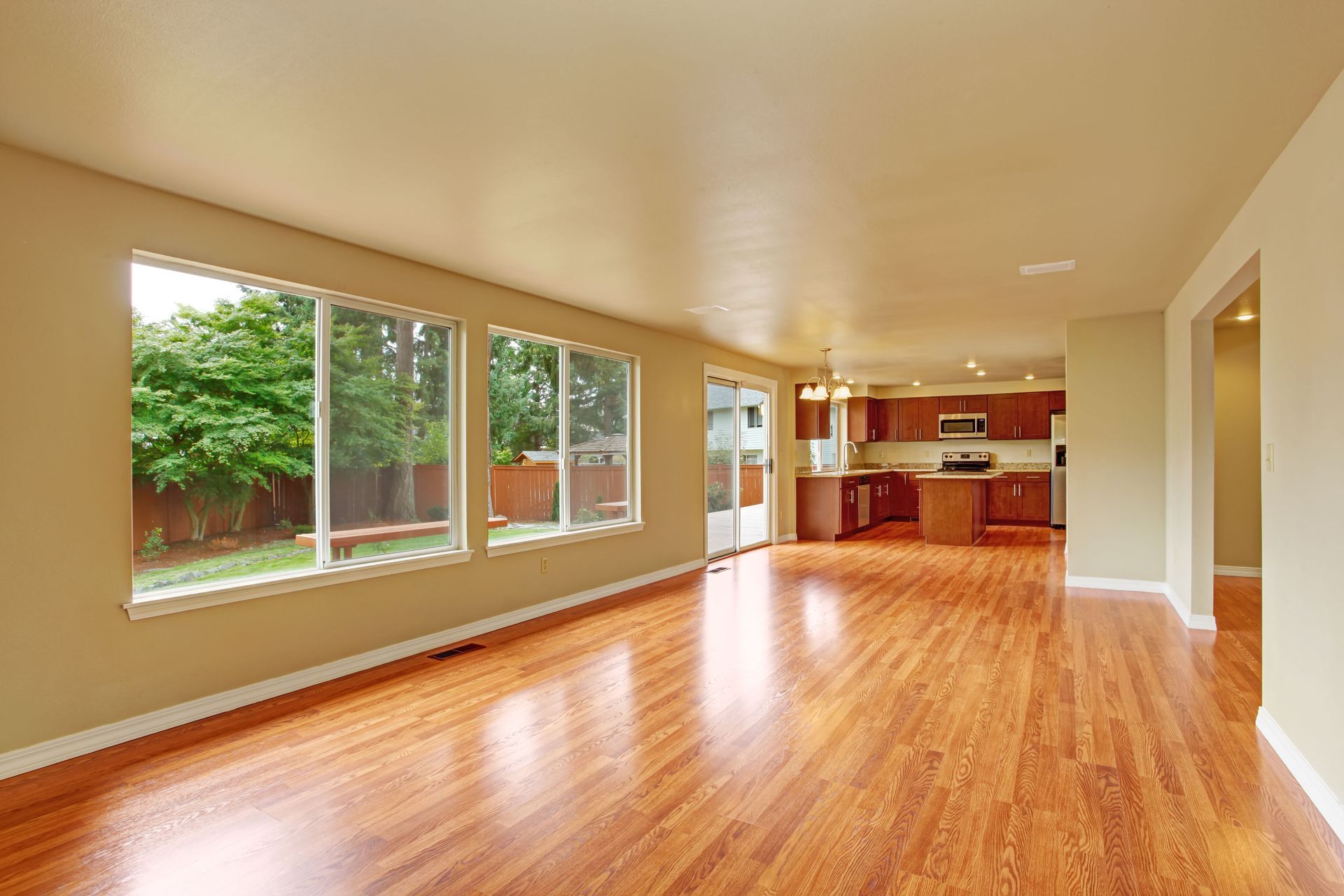
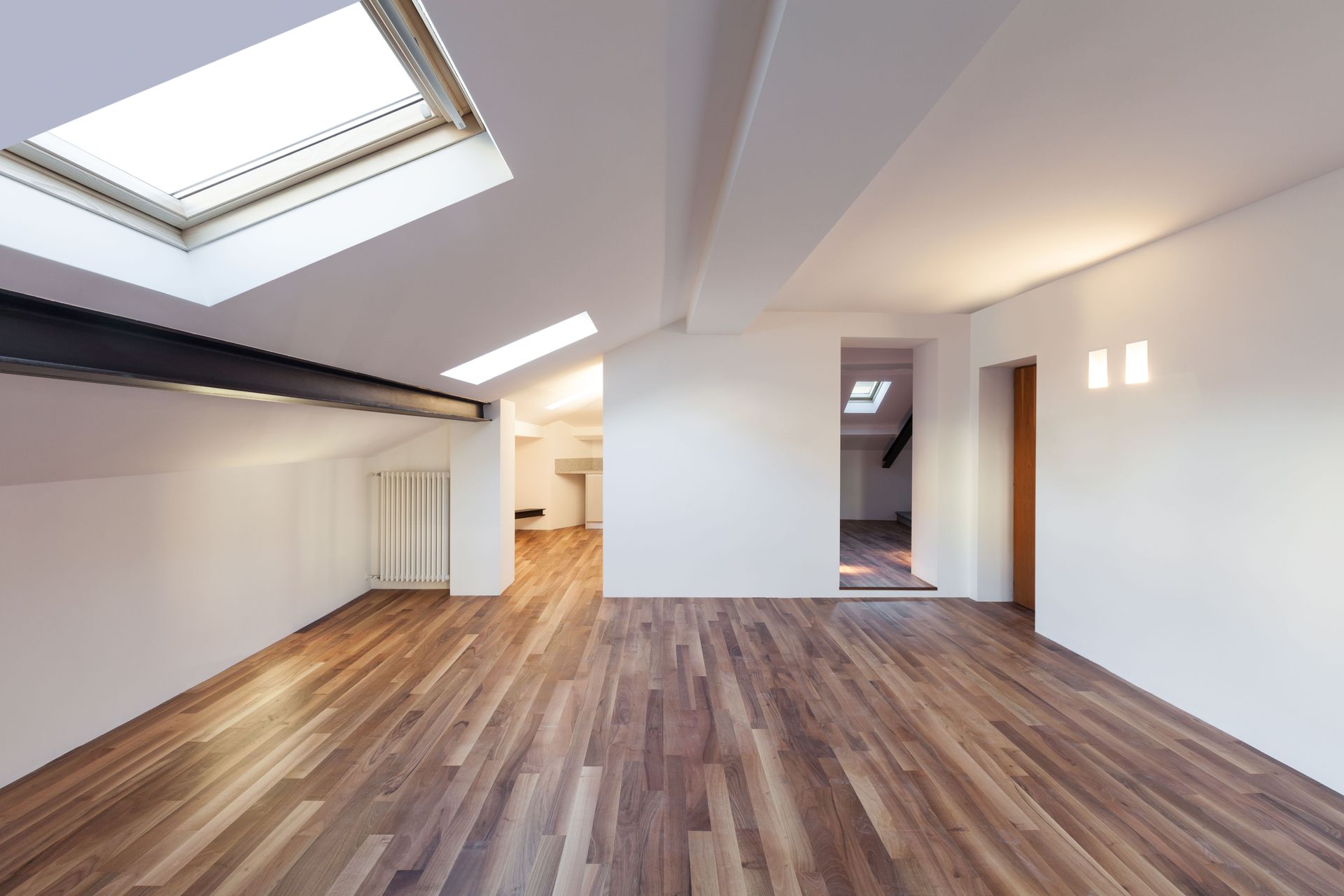
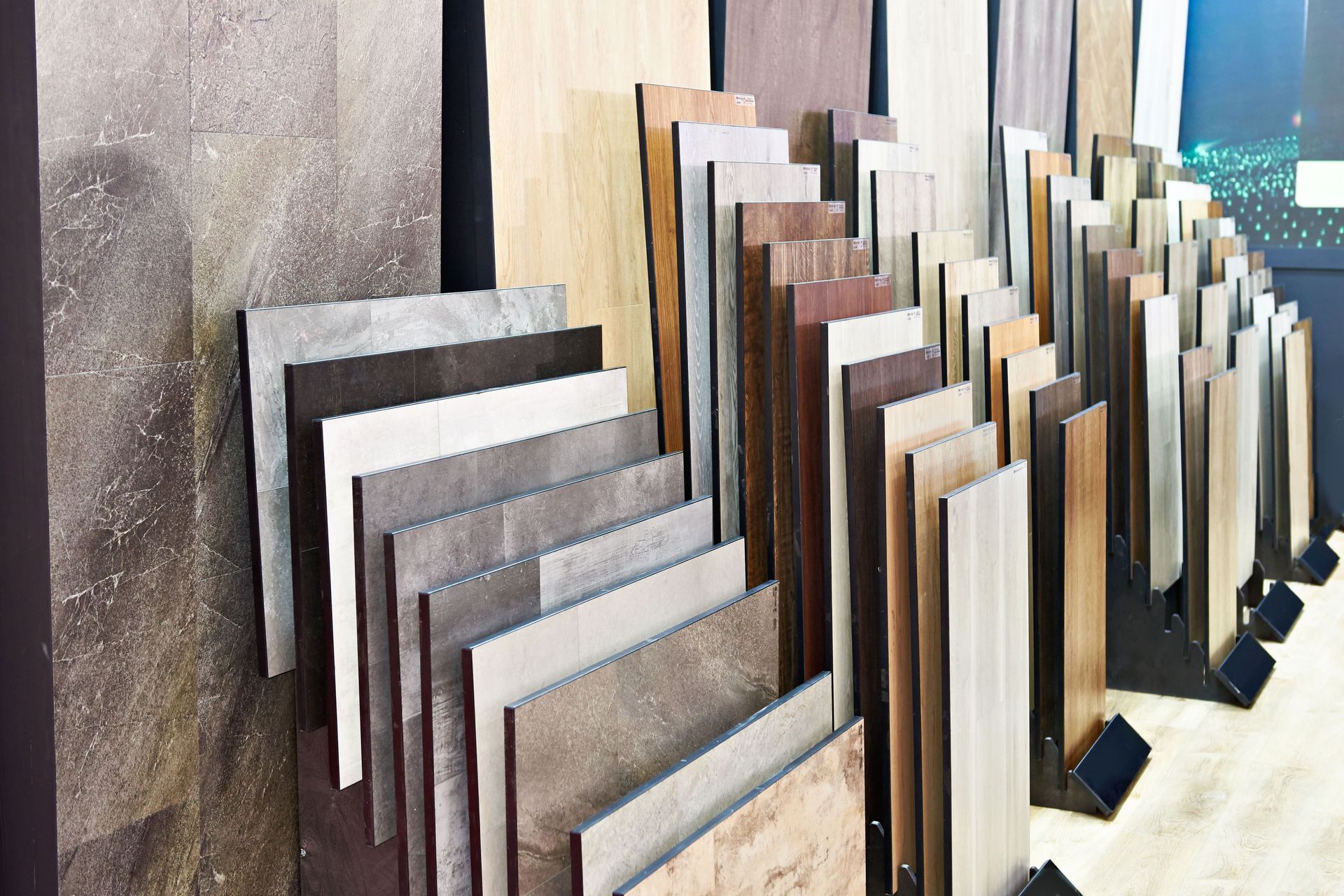
Understanding available material options is essential when planning a flooring project. Each category offers specific benefits related to durability, appearance, and installation requirements. Hardwood remains a popular choice for its natural look and lasting appeal. Its continued demand is evident, as hardwood was the number one material used to replace old floors, according to Dumpsters.com. Considering the strengths and weaknesses of each material ensures you select flooring that meets both practical and aesthetic goals.
Laminate provides a cost-conscious alternative that delivers visual consistency and reliable performance in many living areas. Vinyl products offer water resistance and design flexibility, making them suitable for kitchens, bathrooms, and basements. Tile materials contribute durability and moisture protection, particularly in areas exposed to spills or humidity. Carpet remains an option for comfort-focused spaces, offering insulation and noise reduction when properly maintained. Comparing these options based on your home's demands can help balance budget and lifestyle needs effectively.
Assess Lifestyle Demands
Lifestyle considerations play a significant role in flooring selection. Homes with frequent foot traffic require surfaces that resist wear while maintaining their appearance. Entryways, kitchens, and hallways benefit from materials designed for durability and easy cleaning. Choosing the right product reduces maintenance time and supports consistent performance. Matching flooring to daily activities helps ensure longevity and satisfaction with your investment.
Families with children often prioritize safety and comfort while still needing surfaces that handle spills and daily activity. Pet owners may look for scratch resistance and moisture protection to manage accidents and shedding. Each household dynamic introduces different performance expectations, making it important to match materials to real-world use. Taking these factors into account will help create a home environment that accommodates your family's unique lifestyle.
Plan Budget Considerations
Budget planning extends beyond material costs alone. Flooring projects involve installation, preparation, and long-term maintenance expenses that influence overall investment. Premium materials such as hardwood or natural stone often carry higher upfront costs but may offer extended service life. Alternative options can deliver visual appeal at a lower price point, allowing budget flexibility. Weighing initial expenses against future upkeep is essential for making a financially sound choice.
Installation complexity also affects cost, especially when subfloor preparation or specialty layouts are required. Long-term maintenance should factor into budgeting decisions, as refinishing, sealing, or replacement varies by material. Evaluating total lifecycle cost helps homeowners select options that align with financial expectations. Planning for these aspects helps avoid surprises and supports smoother project completion.
Enhance Visual Consistency
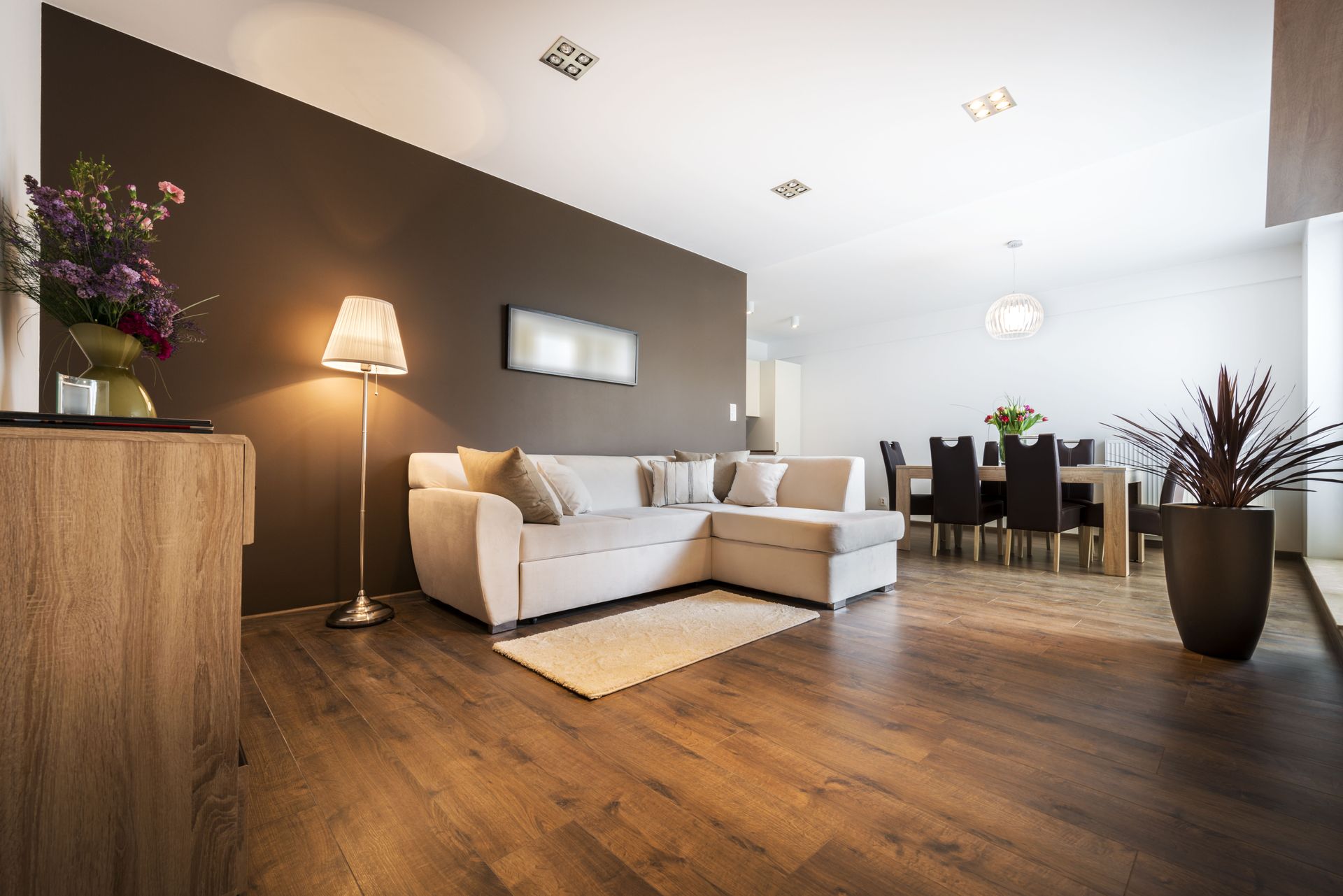
Visual consistency contributes to a cohesive home design. Flooring color, texture, and finish influence how rooms connect and how large or inviting a space feels. Lighter tones often enhance brightness, while darker finishes add depth and contrast. Coordinating materials across adjacent rooms supports smooth transitions and unified aesthetics. Thoughtful color and style choices create a harmonious flow throughout your home.
Texture and pattern introduce character without overwhelming the overall design. Subtle grain patterns or neutral finishes allow flexibility with furniture and decor updates over time. Choosing adaptable designs ensures the flooring remains visually relevant as interior styles evolve. This balance between personality and timelessness enriches the home's overall ambiance.
Support Maintenance Efficiency
Maintenance requirements vary significantly by material, making this a key consideration for long-term satisfaction. Hard surfaces typically allow straightforward cleaning routines, while softer surfaces require more frequent attention. Selecting materials that align with available maintenance time supports consistent appearance and performance. Planning for upkeep makes it easier to preserve your flooring's beauty and functionality.
Resistance to stains, scratches, and moisture reduces the likelihood of repairs or premature replacement. Products designed for residential use often include protective finishes that enhance durability. Regular upkeep preserves the integrity of the flooring and protects the overall investment. Choosing resilient materials helps maintain your floors’ fresh appearance over time.
Manage Moisture Exposure
Moisture management is critical in spaces such as kitchens, bathrooms, and basements. Materials with water-resistant properties help prevent warping, staining, and long-term damage. Vinyl and tile products perform well in moisture-prone environments when properly installed. Understanding moisture risks and material capabilities protects your flooring investment.
Wood-based materials may require additional protection or limited placement to reduce exposure risks. Matching materials to room conditions minimizes future complications and supports long-term performance. Proper installation techniques further enhance moisture resistance and durability. Selecting the right product for the environment contributes to lasting satisfaction.
Align With Home Value Goals
Flooring choices directly affect perceived home value and market appeal. Timeless materials with broad acceptance often enhance resale potential. Neutral tones and consistent finishes appeal to a wide range of buyers while maintaining design flexibility. Choosing flooring with value in mind supports your investment today and in the future.
Functional performance also influences value, as buyers often consider durability and maintenance requirements. Investing in quality materials supports both daily enjoyment and long-term equity. Well-chosen flooring contributes to a polished, cohesive interior presentation. Selecting materials that meet these criteria adds lasting appeal to your home.
Source Quality Materials
Working with a reliable building materials supplier simplifies the flooring selection process. Access to a wide range of residential products allows homeowners and contractors to choose materials that align with project requirements. Product availability, consistency, and guidance support efficient planning and execution. Partnering with experienced suppliers enhances the likelihood of successful project completion.
Suppliers that serve builders and homeowners provide materials suitable for renovations, new construction, and repairs. Reliable sourcing ensures consistent quality and compatibility with other building components. This approach supports successful project outcomes from start to finish. Selecting quality materials from reliable suppliers is a foundation for lasting results.
Selecting the right flooring involves balancing performance, appearance, and long-term value. Each material offers distinct advantages that align with different spaces, lifestyles, and budgets. By evaluating usage demands, maintenance expectations, and design preferences, homeowners can make informed decisions that enhance comfort and functionality. Thoughtful choices in flooring elevate your home environment while fitting your personal needs.
Quality materials and thoughtful planning contribute to durable, visually appealing results. Partnering with an experienced supplier ensures access to products that support residential needs while maintaining consistent standards. For dependable material options and project support, rely on Collins Building Materials to help bring your vision to life.


Share On: