
Building Supplies Guide: Materials That Improve Strength and Durability
Construction projects depend heavily on the quality and performance of the materials being used. Whether building a new home, renovating an existing space, or completing a commercial development, choosing reliable materials is essential for achieving long-lasting structural integrity. Strong, durable components allow buildings to withstand environmental stress, resist wear, and provide safe, comfortable living and working spaces over time. Because every project varies in scope and design, understanding which building supplies offer the greatest strength and resilience is key. Homeowners, contractors, and builders rely on trusted materials not only to meet aesthetic preferences but also to support efficiency, longevity, and performance. By exploring common categories of high-quality materials, it becomes easier to compare options and choose components that deliver lasting value.
Selecting High-Performance Structural Materials
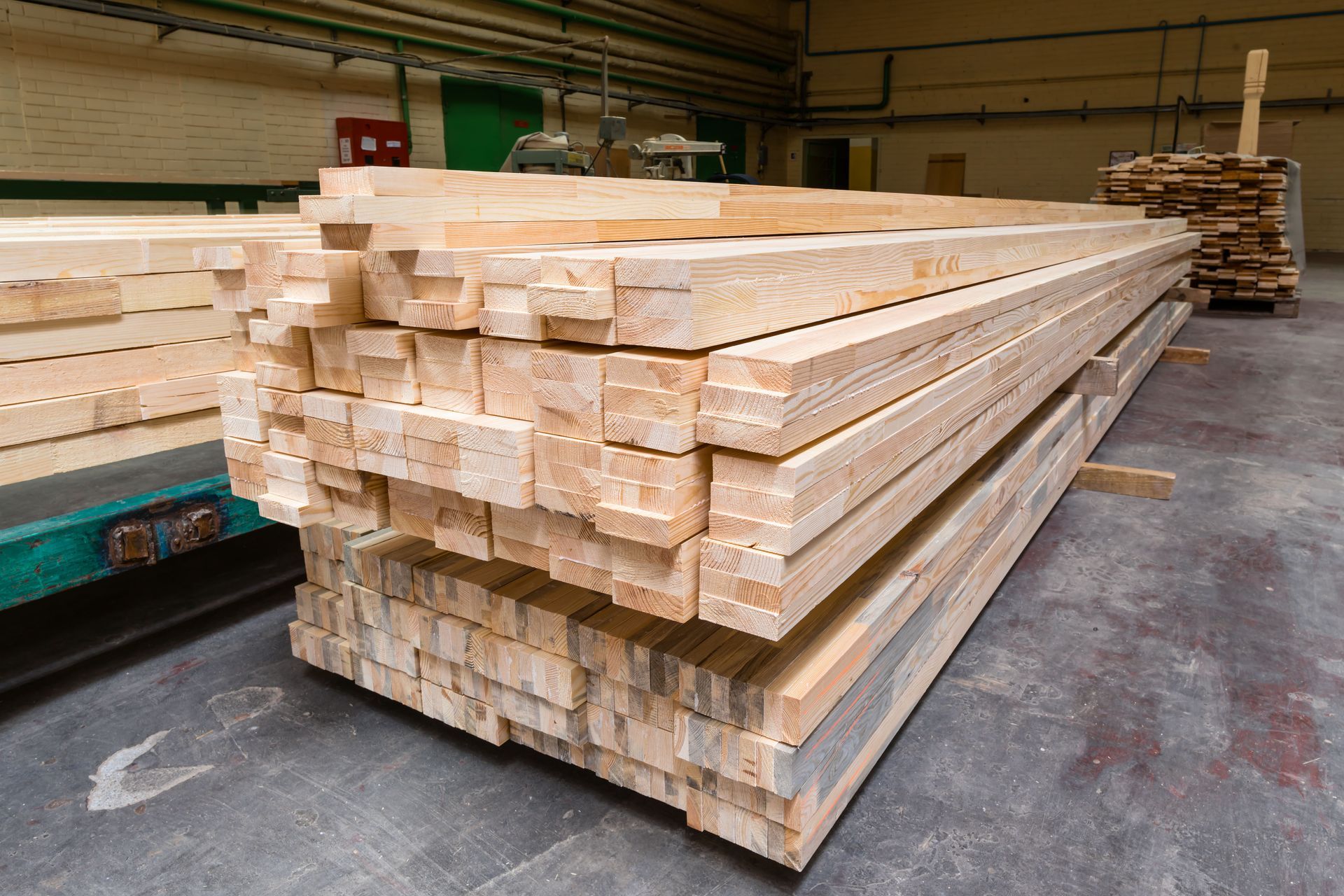
Structural components form the backbone of any building, which is why choosing the right materials is critical for long-term stability. Common structural building supplies include lumber, engineered wood products, and concrete. Each option has unique strengths that contribute to durability and load-bearing capacity.
Wood remains a popular choice because of its versatility, ease of installation, and cost-effectiveness. High-quality lumber provides strength suitable for framing, flooring, and exterior structures. However, wood’s vulnerability to moisture and pests makes proper treatment essential. Pressure-treated lumber and engineered products such as laminated veneer lumber (LVL) or cross-laminated timber (CLT) offer enhanced resistance to warping and decay while maintaining impressive strength.
The importance of selecting strong structural materials is reflected in the growing demand for construction products. According to Cognitive Market Research, the United States held a significant portion of the construction materials market in 2024, reaching a valuation of USD 448,638.72 million. This growing market highlights how essential dependable building supplies have become for projects of all sizes. By selecting materials that offer proven strength, builders can ensure that structures remain stable and reliable even under challenging conditions.
Understanding Exterior Materials That Withstand the Elements
Exterior building components play a critical role in protecting structures from weather, moisture, pests, and environmental wear. Choosing durable materials for siding, roofing, and weather barriers helps extend a building’s lifespan and reduce long-term maintenance costs.
Vinyl siding is a widely used option known for its affordability, low maintenance needs, and ability to withstand moisture without rotting. It also resists fading and cracking, making it a practical choice for many residential projects. Fiber-cement siding, on the other hand, provides even greater durability, combining cement, sand, and cellulose fibers to resist fire, pests, and severe weather. Its long lifespan and variety of finish options make it popular among homeowners seeking long-term value.
Brick and stone veneer materials also offer exceptional durability. Natural stone resists weathering, and brick provides excellent fire resistance. Both materials offer timeless aesthetic appeal and long-lasting performance.
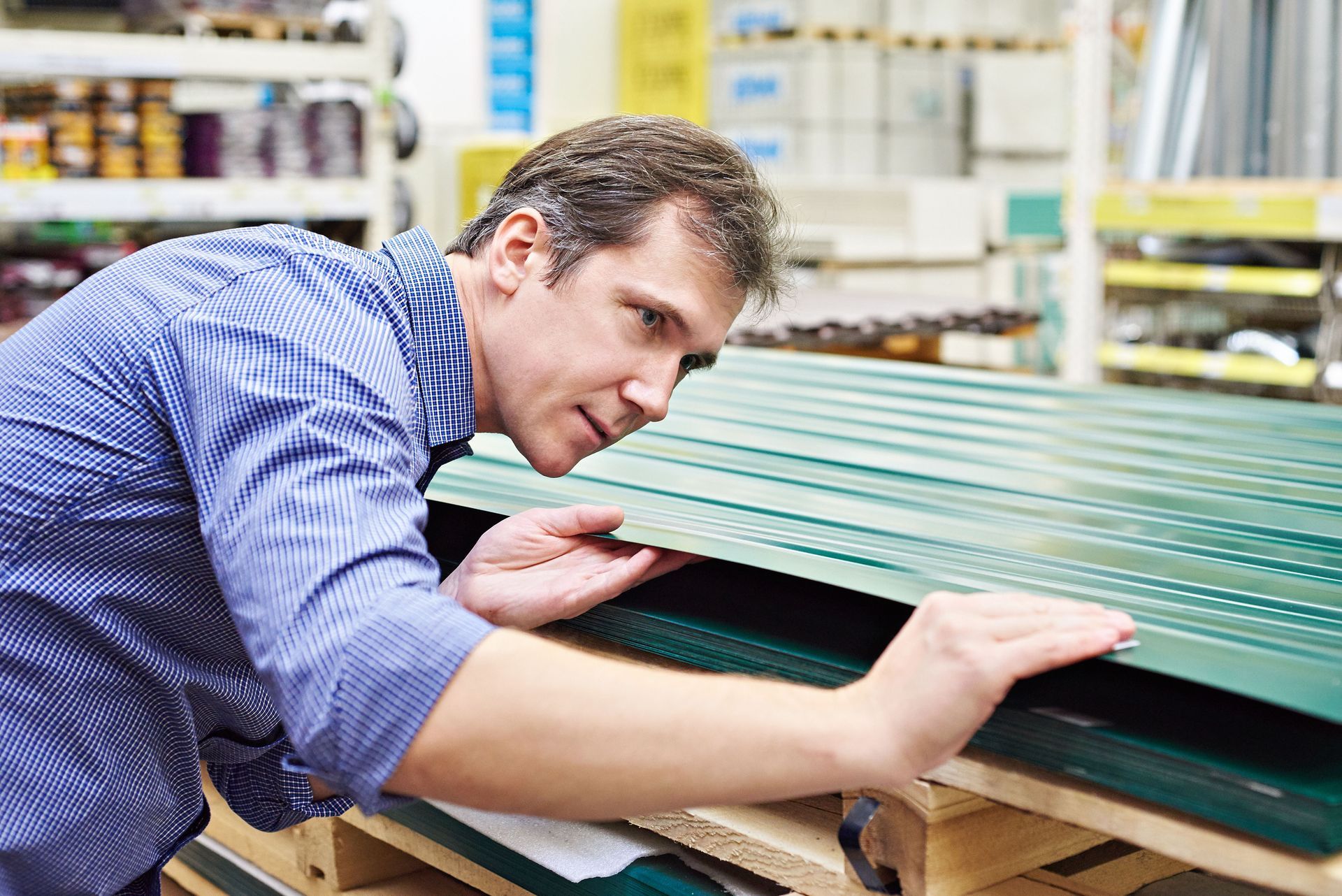
Roofing materials are equally important. Asphalt shingles remain an accessible and cost-effective choice, but higher-end materials such as metal roofing and clay tiles provide superior longevity. Metal roofing offers excellent wind resistance, energy efficiency, and fire protection. Clay and concrete tiles offer unmatched durability, lasting decades even in harsh climates. Regardless of the material chosen, proper installation and underlayment are critical for long-term performance.
Exterior weather barriers—such as house wrap, flashing, and vapor barriers—help prevent water infiltration and improve insulation efficiency. Moisture control is essential because water damage can weaken structural components and create long-term issues such as mold growth. Investing in high-quality exterior building supplies ensures the structure is adequately protected from external threats.
Comparing Interior Materials for Longevity and Function
Interior building supplies contribute not only to the function and appearance of a space but also to its resilience and long-term durability. Flooring, insulation, drywall, and interior trim materials all influence how well a building withstands wear and everyday use.
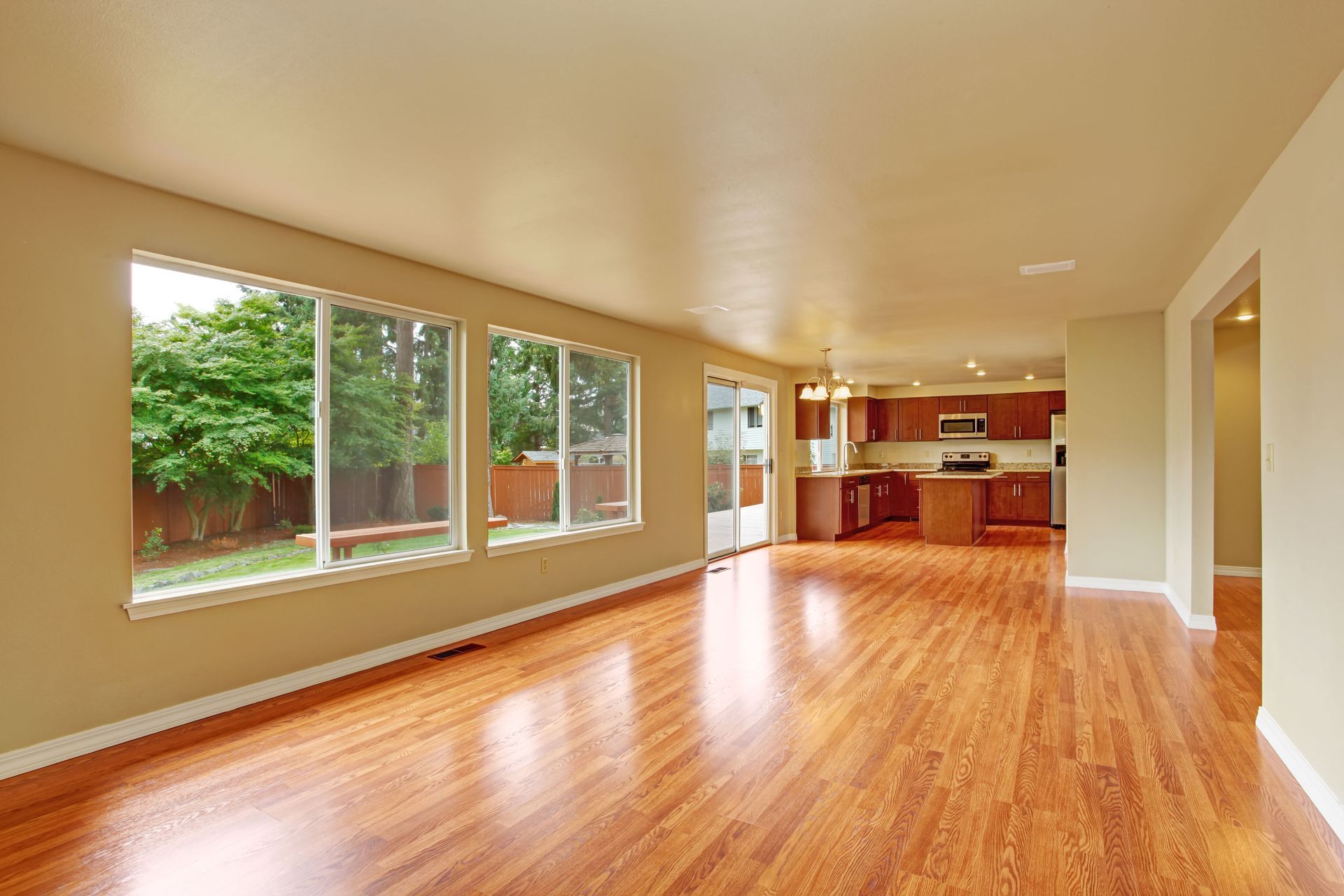
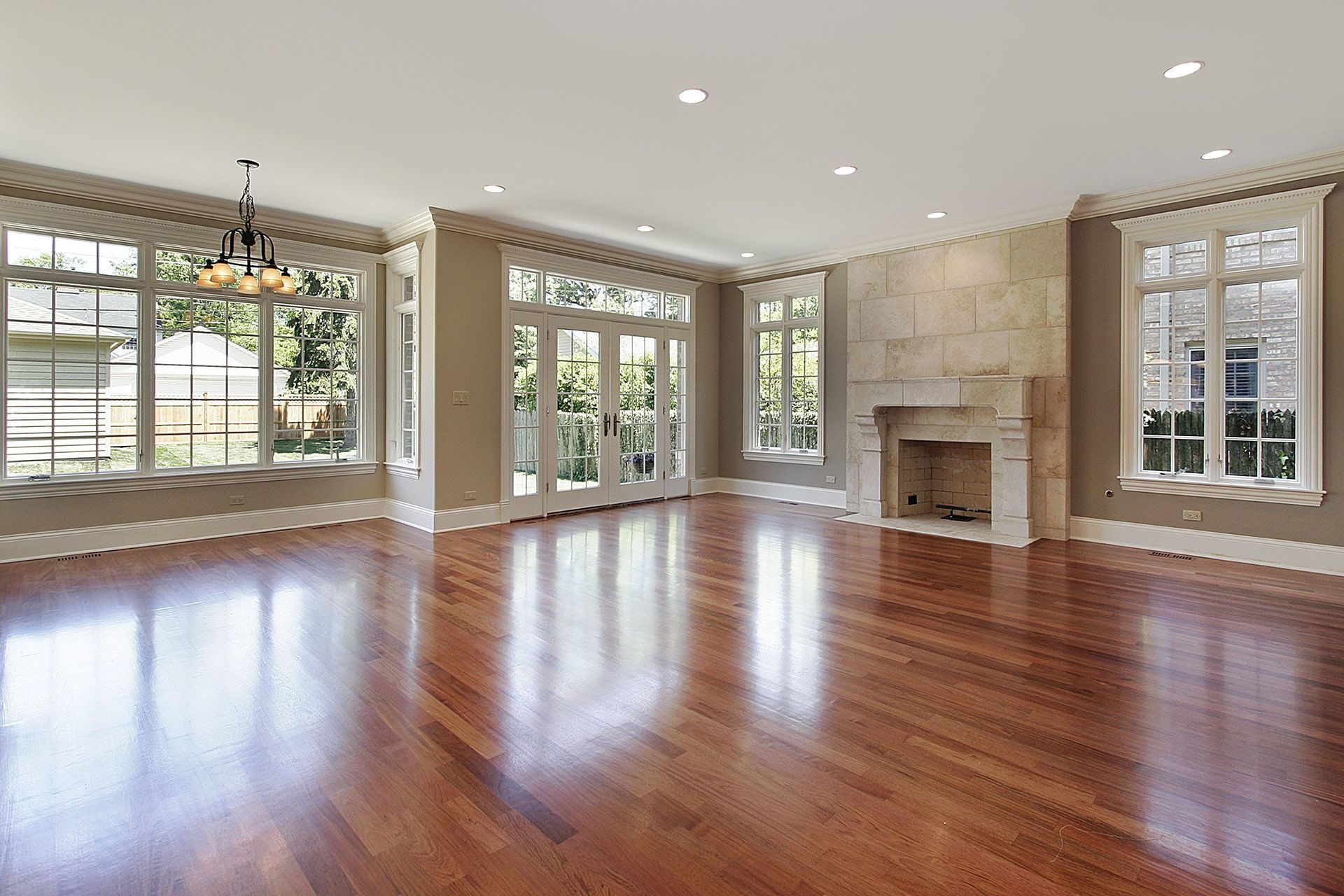
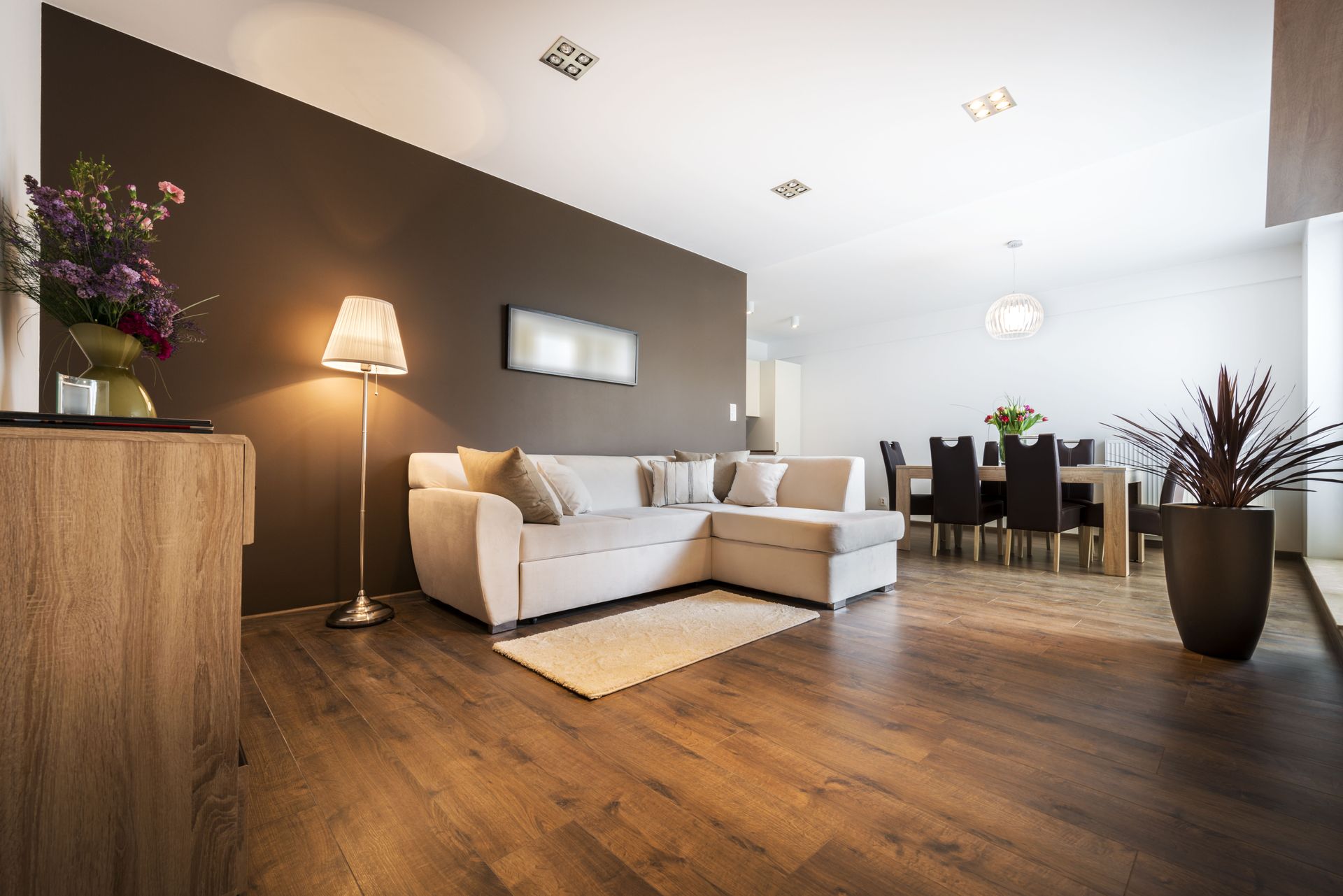
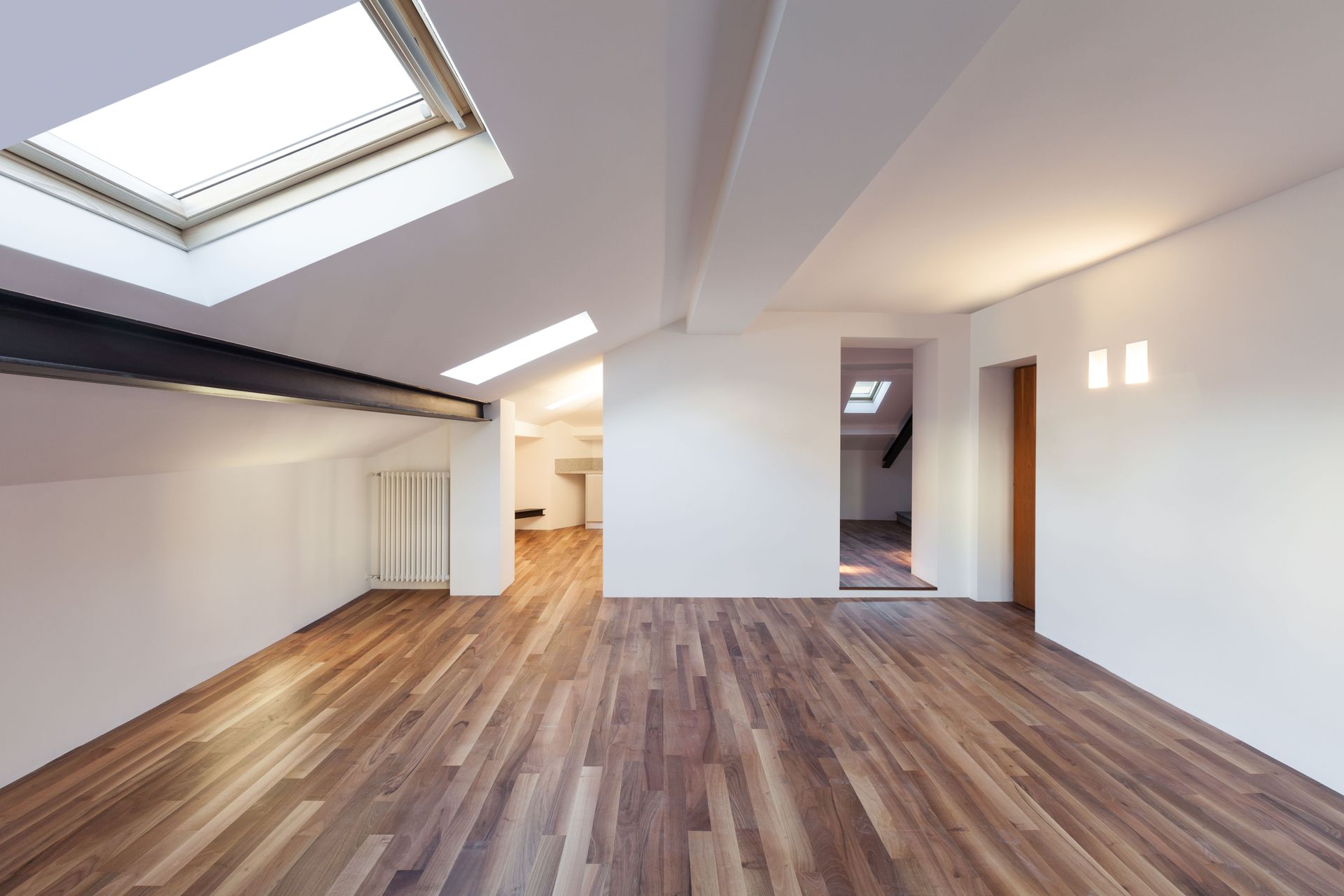
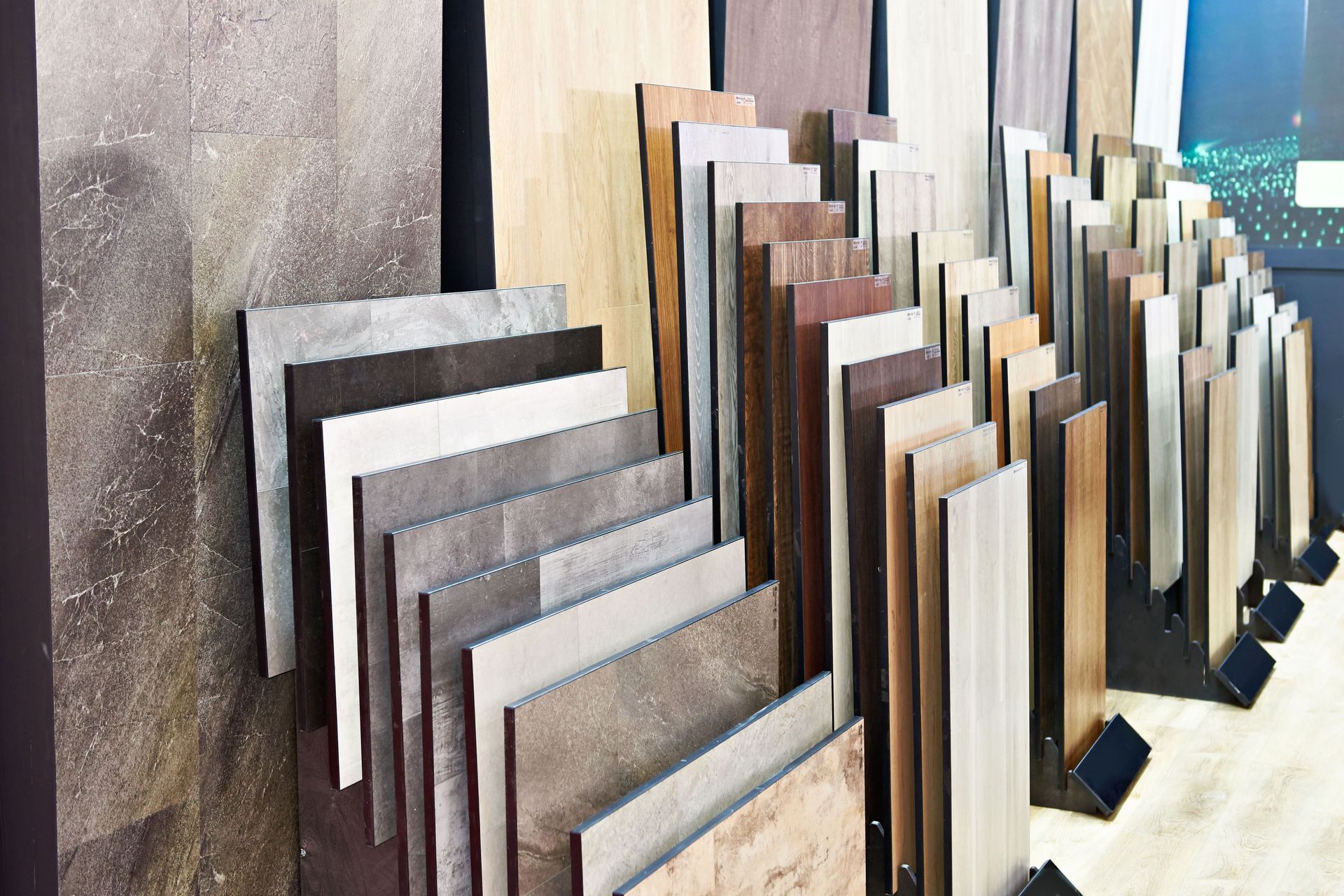
Flooring materials such as hardwood, tile, and luxury vinyl plank (LVP) are known for their strength and longevity. Hardwood offers timeless appeal and can be refinished multiple times, extending its lifespan. Tile provides exceptional durability, especially in areas exposed to moisture or heavy foot traffic. LVP has gained popularity due to its resistance to scratches, stains, and water, making it a practical choice for busy households or commercial environments.
Quality insulation is essential for energy efficiency and long-term comfort. Spray foam insulation provides superior resistance to air leaks, while fiberglass batts offer a traditional and cost-effective solution. High-density foam panels also contribute to structural performance by increasing thermal resistance and reducing heat transfer.
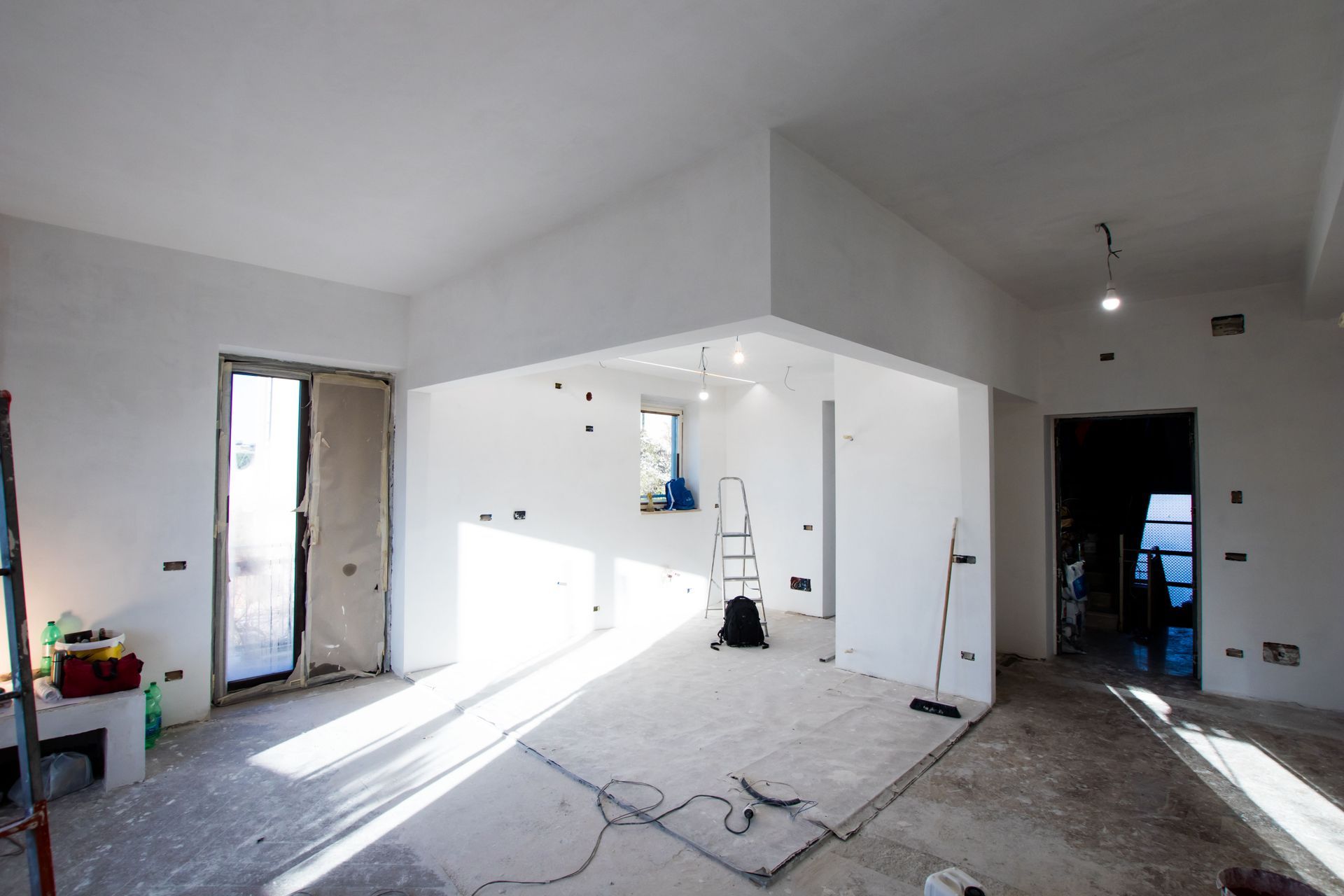
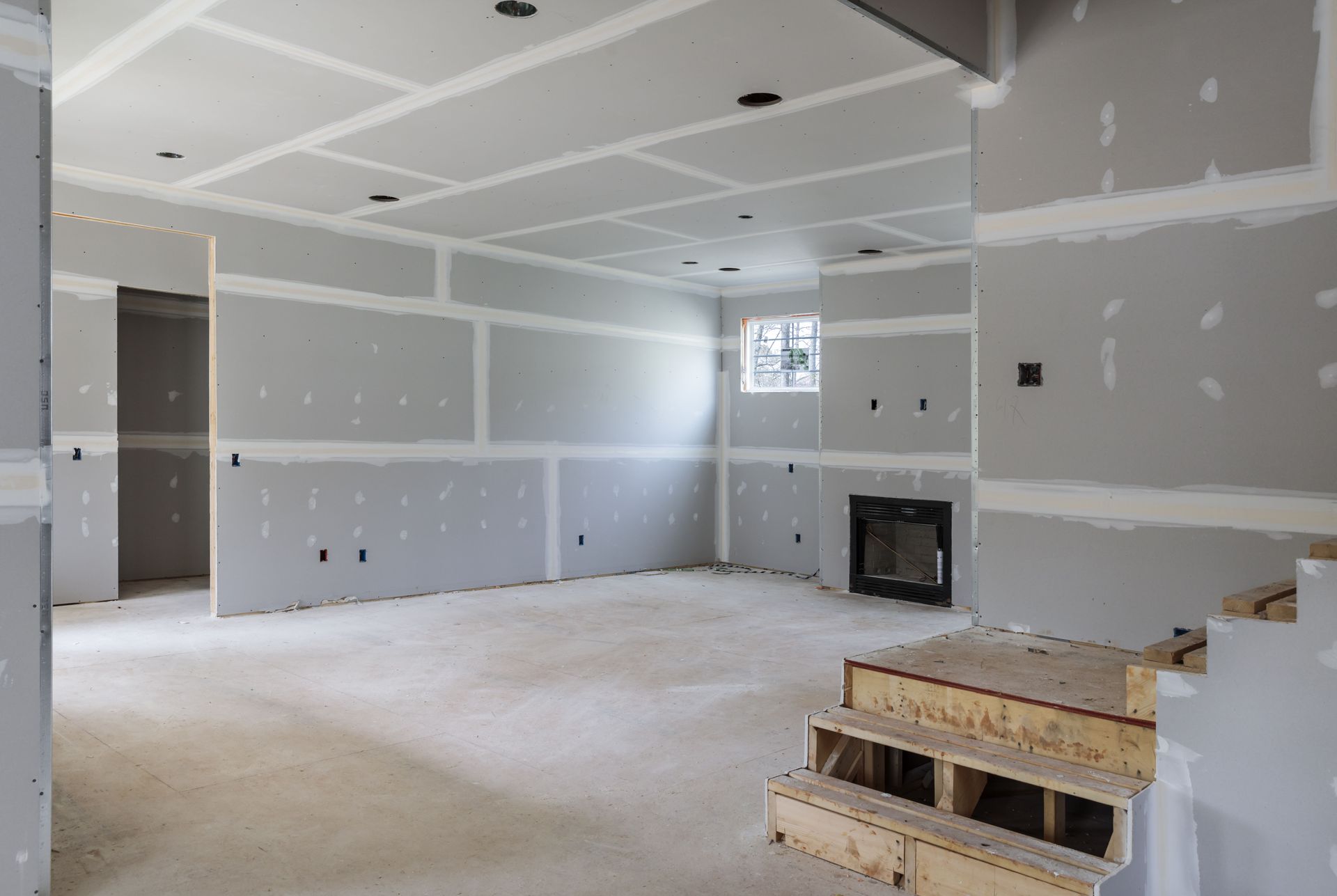
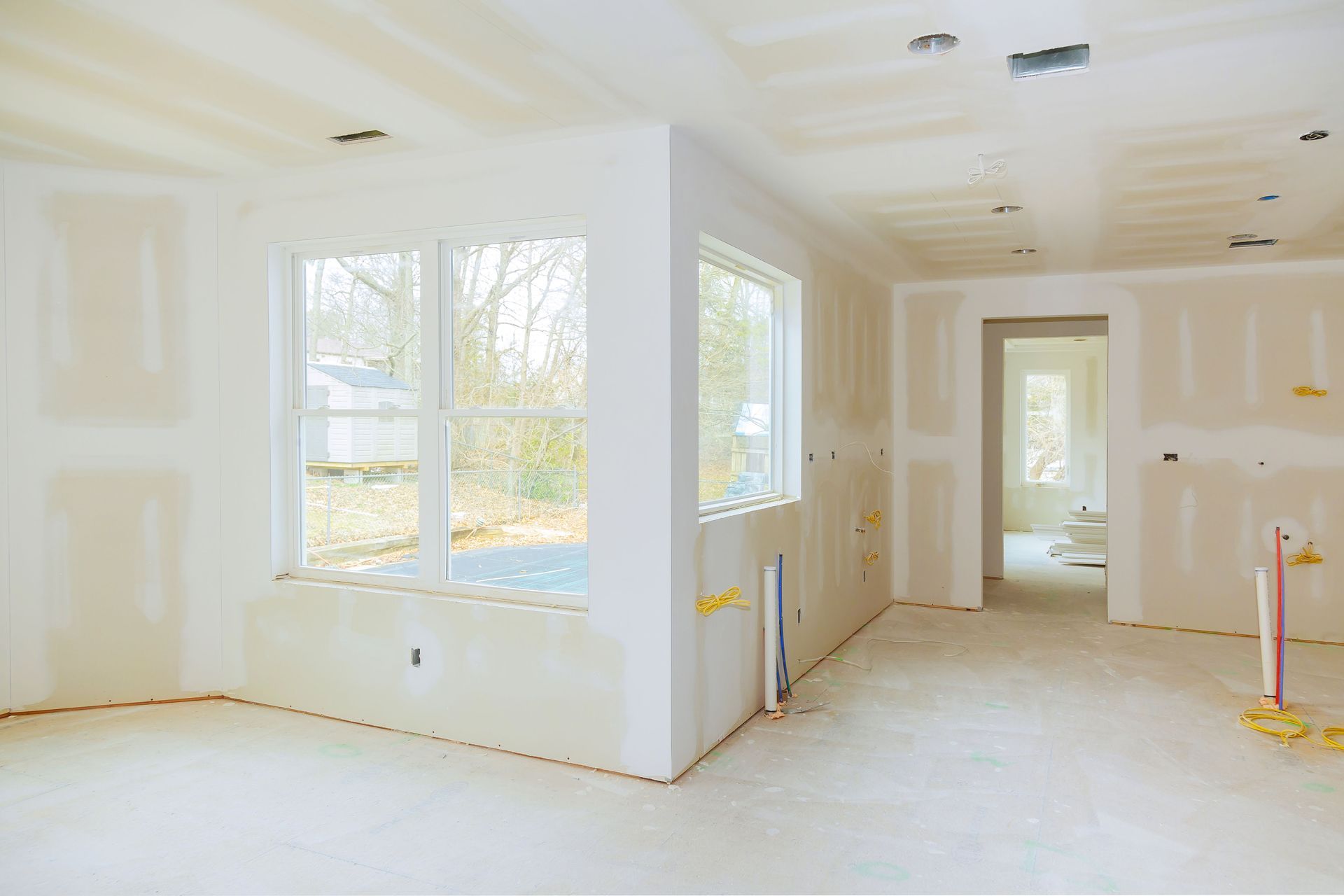
Drywall quality impacts fire resistance, soundproofing, and durability. Moisture-resistant drywall is recommended for bathrooms or kitchens, while thicker panels enhance noise control in shared spaces. Using high-quality joint compounds and drywall tape ensures long-lasting, smooth finishes.
Interior trim materials—such as baseboards, crown molding, and window casings—provide decorative detail while protecting walls from damage. Medium-density fiberboard (MDF) offers smooth surfaces and affordability, while solid wood trim provides superior strength and longevity. By selecting interior building supplies with proven durability, homeowners and contractors can achieve attractive, functional spaces that withstand daily use without frequent replacement.
Choosing Foundation and Drainage Materials That Support Longevity
A building’s foundation and drainage system significantly impact its long-term durability. Poor drainage or weak foundation materials can lead to moisture infiltration, soil movement, and structural stress. This makes selecting dependable materials essential for maintaining stability and protecting the overall structure.
Quality concrete remains the industry standard for foundation construction due to its strength and reliability. Reinforced concrete footings and slabs provide a stable base capable of supporting building loads without shifting. Proper curing and installation techniques further contribute to the material’s longevity.
Drainage systems—including French drains, perforated pipes, and gravel backfill—help move water away from the foundation. These materials reduce the risk of water pressure buildup, erosion, and moisture that could compromise structural integrity. Effective grading also ensures water flows away from the building rather than pooling around its base.
Waterproofing membranes, sealants, and foundation coatings offer additional protection. These materials create barriers that prevent water from penetrating concrete surfaces, reducing the risk of mold, mildew, and deterioration. High-quality waterproofing building supplies enhance the structure’s resilience and reduce long-term repair costs.
Retaining walls designed with durable materials such as concrete blocks or stone further support soil stability in sloped areas. Proper installation and drainage behind the wall prevent soil movement that could impact foundation performance. By investing in strong, reliable materials for foundations and drainage, builders support long-term structural integrity and reduce the risk of costly repairs in the future.
Prioritizing Materials That Improve Energy Efficiency and Sustainability
Sustainability and energy efficiency are increasingly important considerations for modern construction projects. High-performance building supplies help reduce energy consumption, improve indoor comfort, and support environmentally responsible building practices.
Energy-efficient windows with insulated glass and low-emissivity coatings reduce heat transfer and support year-round temperature control. Durable window frames made from vinyl, fiberglass, or treated wood further enhance longevity and energy performance.
Sustainability and energy efficiency are increasingly important considerations for modern construction projects. High-performance building supplies help reduce energy consumption, improve indoor comfort, and support environmentally responsible building practices. Energy-efficient windows with insulated glass and low-emissivity coatings reduce heat transfer and support year-round temperature control. Durable window frames made from vinyl, fiberglass, or treated wood further enhance longevity and energy performance. Call Collins Building Materials today to discuss how we can help with your next project!
Share On: